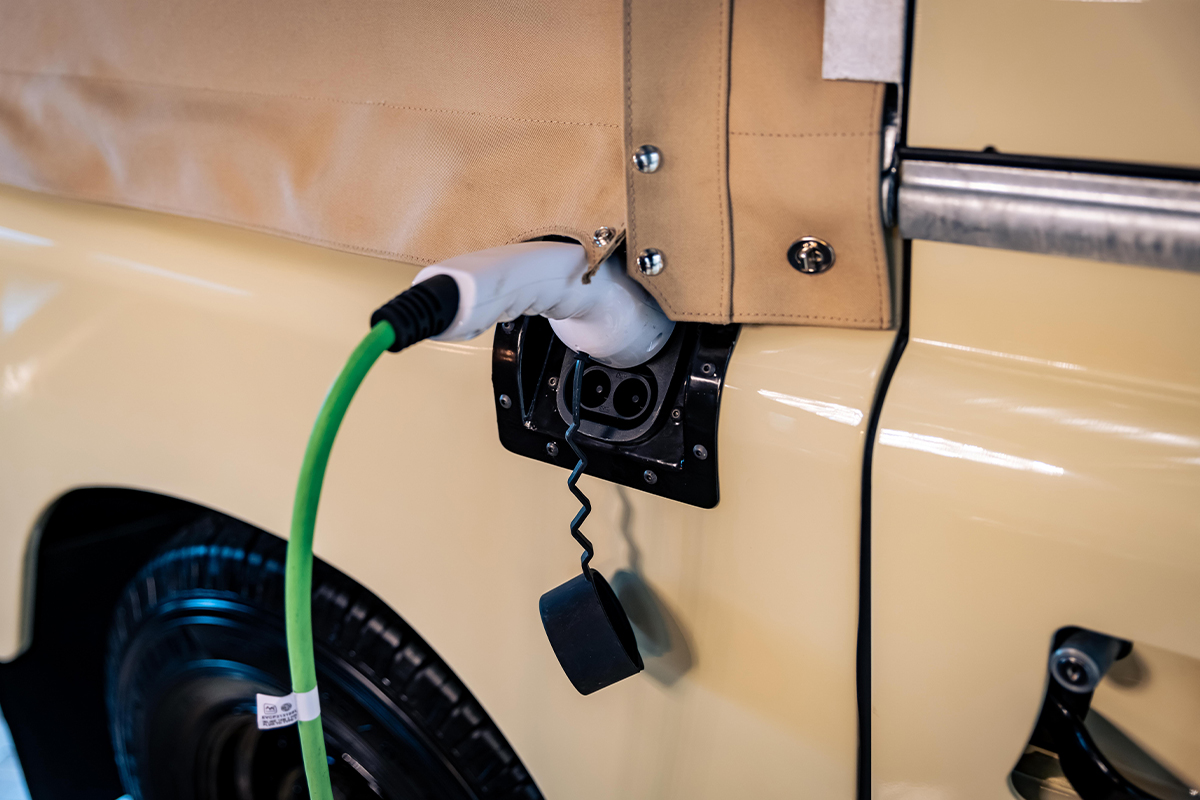
Electric vehicles are revolutionizing the way we think about driving, fueling, and sustainability. But for many new or prospective EV owners, there’s a learning curve when it comes to home charging. One of the most common questions is: How many watts does an electric car charger use? This is more than a question of curiosity as it affects everything from installation decisions to energy bills and long-term ownership costs.
Let’s break down how electric power is measured, explore different charger types and their wattage, explain how wattage influences charging time and expenses, and discuss how it all ties into energy efficiency and sustainability. Whether you’re considering an Everrati or upgrading your charging setup,
How Is Electric Vehicle Power Measured?
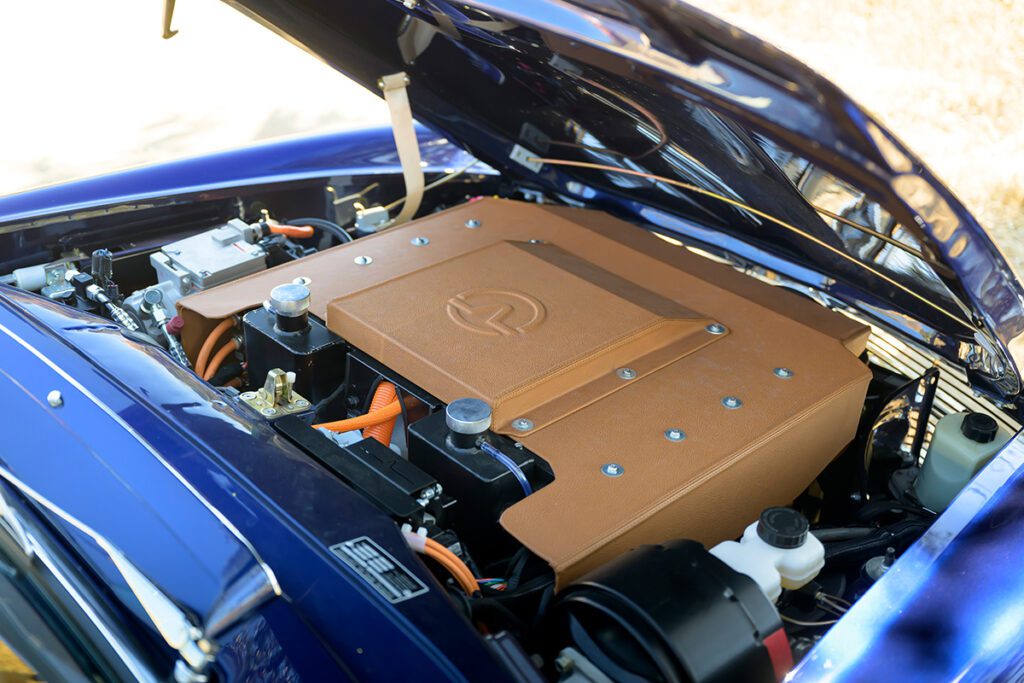
To grasp how EV chargers consume electricity, you need to understand the basic units of electric power and energy. Power is measured in watts (W), while energy is measured in kilowatt-hours (kWh). A kilowatt-hour is one kilowatt (1,000 watts) of power used for one hour.
For example, if a charger supplies 7,000 watts (7 kilowatts) and your car is connected for two hours, it will consume 14 kWh of energy. That energy use is what appears on your electricity bill, and it determines both your costs and your carbon footprint.
To further complicate things, chargers don’t all supply the same amount of power. The wattage depends on the type of charger, the vehicle’s charging capabilities, and even your home’s electrical system. That’s why the question of how many watts to run an EV car doesn’t have a one-size-fits-all answer.
What Are the Different Types of EV Chargers and Their Wattage?

Electric vehicle chargers come in three primary types, each with a different power output.
Level 1 Chargers (120V)
Level 1 chargers are the most basic option. They plug into a standard household outlet and provide about 1.4 to 1.9 kilowatts (1,400 to 1,900 watts) of power. At this rate, you can expect to add about 3 to 5 miles of range per hour.
Because they draw relatively low power, Level 1 chargers are simple to use but slow to recharge a vehicle, requiring overnight or even multi-day sessions to fully replenish a battery. However, for occasional use, this might be all that you need.
Level 2 Chargers (240V)
Most home and public charging stations fall into this category. Level 2 chargers typically deliver between 3.3 to 19.2 kilowatts (3,300 to 19,200 watts), depending on the specific unit and the vehicle’s charging capabilities.
A typical 7.2 kW home charger can recharge many EVs from empty to full in about 8 to 10 hours. Public stations often run at the higher end of the Level 2 scale, offering faster turnaround times.
DC Fast Chargers (Level 3)
DC fast chargers are high-powered public stations designed for rapid top-ups. These can deliver between 50 kW to 350 kW (50,000 to 350,000 watts), dramatically reducing charging times often to under 30 minutes for 80% capacity.
However, these chargers aren’t practical for home use. Still, they’re crucial for long-distance travel and urban fast-charging stations.
When considering the power requirements for electric car charger installations, it’s clear that Level 2 offers the best balance of speed and practicality for home use. Meanwhile, public Level 3 chargers provide convenience when you’re on the go.
How Does Charger Wattage Affect EV Charging Time and Cost?

The more watts your charger delivers, the faster your car recharges. That’s the basic math, but there’s more to consider.
Charging time depends on both the charger’s wattage and the battery’s size. A 60-kWh battery connected to a 7.2 kW charger will take roughly 8 to 9 hours to charge from empty. The same battery with a 50 kW DC fast charger may take only an hour.
But with more power comes higher energy draw, which impacts your electricity bill. While most home electricity plans are measured in kilowatt-hours, understanding how many watts your charger uses helps you estimate cost.
- Consider this scenario: A 7.2 kW charger running for 8 hours uses 57.6 kWh. At an average electricity cost of $0.15/kWh, that’s about $8.64 per full charge.
Annual costs depend on driving habits and charging frequency. For example, if you drive 12,000 miles a year and your EV gets 3.5 miles per kWh, you’d need around 3,430 kWh annually. That brings your electric car power consumption per year to just over $515 in electricity, and it’s indisputably far cheaper than fueling a gasoline car over the same distance.
Public charging rates can vary more widely. Fast chargers often charge higher per-kWh rates, or even flat fees. Many EV owners find they use home charging for the majority of their needs and rely on public chargers only when necessary.
Which EV Chargers Are the Most Energy Efficient and Sustainable?

Electric vehicles are less about convenience and cost and more so a cornerstone of the move toward sustainable transportation. But when it matters, not all charging systems are equally efficient.
- Level 1 chargers are the least efficient due to extended charging times and greater energy losses.
- Level 2 chargers, especially those integrated with smart charging systems, tend to be more efficient, using energy more strategically and minimizing losses.
- Level 3 DC fast chargers are efficient in delivery but require considerable grid infrastructure. They’re best used for occasional quick charges rather than daily fill-ups.
One way to increase efficiency and offset your carbon footprint is to pair your home EV charger with solar panels. This not only reduces the grid electricity used but can further lower your electric car power consumption per year from traditional sources.
Efficiency also depends on your EV’s onboard systems and battery management. Heat loss, inverter efficiency, and even ambient temperature can all affect how much power is actually stored versus how much is drawn from the wall.
Smart charging solutions can also help lower your impact. Timers, dynamic load balancing, and integration with utility demand periods help reduce strain on the grid and use cleaner, lower-cost energy when it’s most available.
How Many Watts Does an Electric Car Charger Really Use?

So, how many watts does an electric car charger use? The answer depends on the type of charger and your specific vehicle. Level 1 chargers draw around 1.5 kW, Level 2 home chargers typically range from 3.3 to 7.2 kW, and fast chargers can exceed 350 kW. The higher the wattage, the faster the charge, but also the more electricity is consumed.
Understanding wattage helps you plan smarter, from selecting the right charger and estimating costs to minimizing your environmental impact. It also helps you evaluate the power requirements for electric car charger installations in your home or business.
As electric vehicles continue to grow in popularity, so too does the importance of smart, efficient charging. Knowing how many watts to run an EV car is essential knowledge for sustainable ownership, not just trivia.
Explore Everrati’s Electric Vehicle Collection

Understanding charging requirements is only part of the electric vehicle ownership experience. The vehicle itself plays an equally important role in efficiency, performance, and how you interact with charging infrastructure.
Everrati redefines some of the world’s most iconic automobiles through advanced electric powertrains, combining timeless design with modern technology. Explore our collection of electrified classics to see how cutting-edge EV engineering can transform legendary vehicles while preserving their character.
- Explore the Electric Range Rover Classic for sale
- Discover the Electric Land Rover Defender
- Experience the Porsche 911 (964) Signature
- Learn more about the Porsche 993
- Explore the legendary Superformance GT40
Whether you’re considering your first EV or looking for a unique way to combine sustainability with automotive heritage, Everrati’s portfolio demonstrates how electric technology can enhance the driving experience without compromising what made these vehicles iconic in the first place.