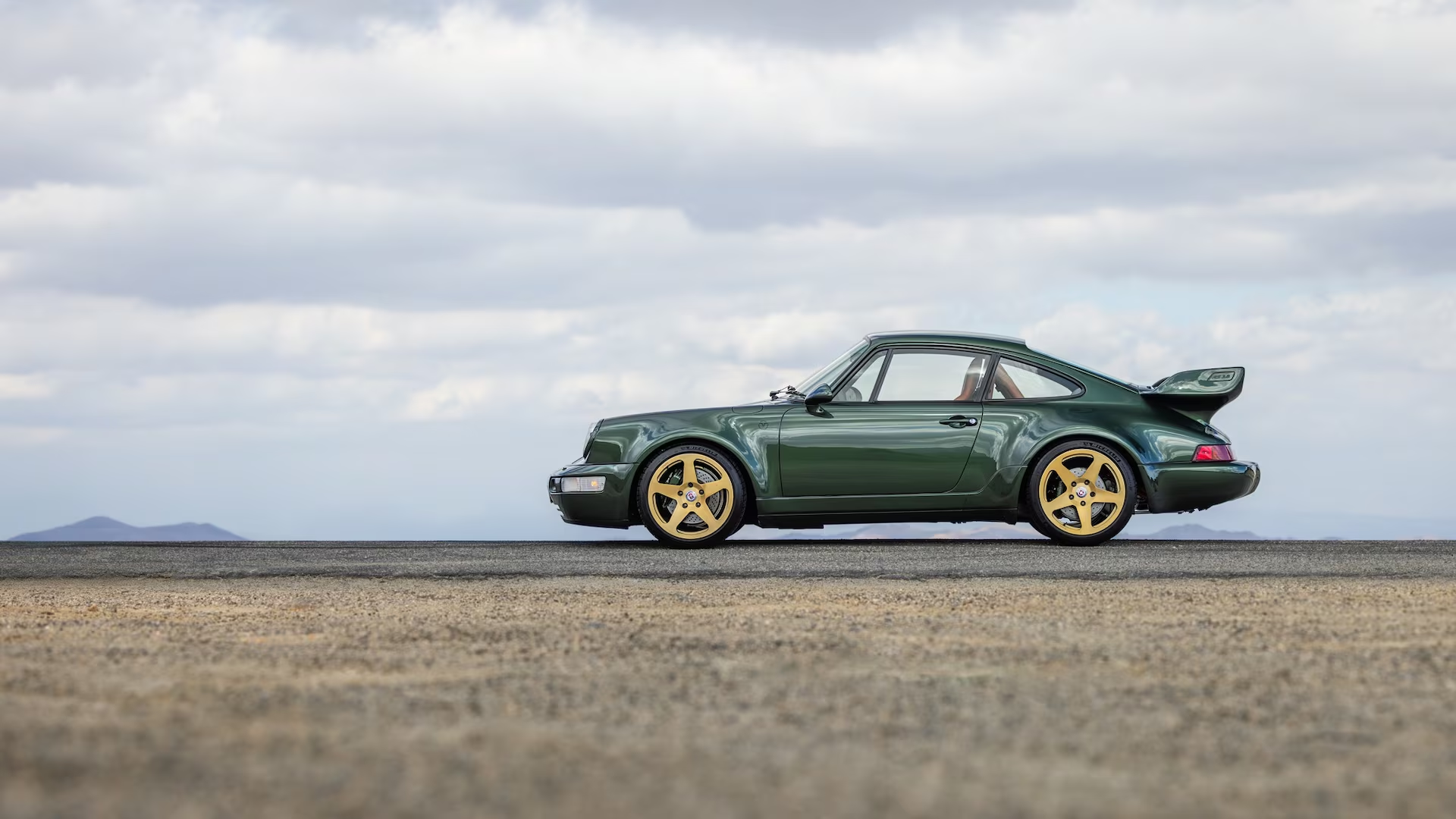
There’s something deeply personal and emotional about owning a vintage car. Whether it’s the curvy silhouette of a classic Porsche, the majestic presence of a Mercedes-Benz SL, or the rugged charm of an early Land Rover, these vehicles hold a unique place in automotive history and in the hearts of their owners. But in a world increasingly focused on sustainability and future-ready technology, many vintage car enthusiasts are asking a tough question: is it worth electrifying classic cars?
At Everrati, we believe the answer is a resounding yes. But it’s not just about adding electric motors to old cars. It’s about preserving their essence while transforming them for a cleaner, better future. Let’s explore the real value of electrifying classic cars, what you need to consider, and why this isn’t just a trend but the next chapter in your vehicle’s legacy.
What Is an Electric Car Conversion?
An electric car conversion is the process of transforming a traditional gasoline-powered vehicle into a fully electric one. The internal combustion engine, fuel system, and exhaust parts are removed and replaced with electric motors, batteries, and control systems.
An electric auto restoration is not a one-size-fits-all project. It requires deep technical expertise, down-to-the-last-bolt engineering, and an understanding of the car’s original structure and driving dynamics. At Everrati, we engineer a full integration that honors the soul of the original car while enhancing its capabilities with zero-emission power.
Explore Everrati’s Electric Classic Cars
What Are the Benefits of Electrifying a Classic Car?
Sustainability
One of the most powerful reasons to buy an electric car is sustainability. The transportation sector is a major contributor to global emissions, and converting a gas-powered classic car into an EV significantly reduces its carbon footprint. While the production of new EVs can be resource-intensive, converting an existing vehicle avoids the emissions and raw materials associated with manufacturing a new car.
Everrati takes this a step further. Our electric conversions for classic cars use proprietary EV powertrains designed with efficiency and future-proofing in mind. We make it smarter, quieter, and better suited to a world moving toward net-zero emissions. Sustainability, in this context, becomes a form of luxury, a reflection of a forward-thinking lifestyle.
Economic Advantages
Although the upfront cost of an electric conversion may seem high, the long-term benefits are real. Maintenance costs for EVs are generally much lower than those for internal combustion engines. There are fewer moving parts, no oil changes, and significantly less wear on brakes thanks to regenerative braking.
Charging is also typically cheaper than fueling with gasoline, especially with at-home charging. For individuals who collect or drive their vintage cars regularly, these cost savings quickly add up, making electric car restoration a financially smart move, too.
Performance
Classic cars are celebrated for their design, but driving them isn’t always smooth sailing. Carburetor tuning, cold starts, and mechanical quirks are part of the charm, but they’re also potential headaches.
With Everrati’s redefined electric powertrains, performance becomes flawless. Instant torque delivery, smooth acceleration, and nearly silent operation turn even the most vintage vehicle into a refined tourer. And we don’t sacrifice the original driving dynamics in the process. We meticulously retain or improve the original weight distribution to preserve authentic handling and road feel. The soul of the car stays intact, just redefined for the modern road.
Preserving Iconic Design
Many of our clients come to us with irreplaceable vehicles. With an Everrati electric restomod, you can convert your car to electric without compromising its original aesthetic or integrity. We integrate battery packs and drivetrains with surgical precision, retaining the vehicle’s timeless design. What’s more, it’s a completely reversible process should the desire arise down the road.
Regulatory and Financial Advantages
Electric cars are exempt from many city congestion charges and low-emission zone penalties. Certain major cities are already implementing smog-free zones, and an EV can enter penalty-free where some combustion vehicles are assessed levies. In some regions, you may also benefit from tax incentives, free parking, or reduced insurance costs.
Future-Proofing Classic Cars
As cities become more EV-centric, ICE vehicles may become restricted or banned. Converting your vehicle ensures that it remains road-legal and drivable long into the future, and while it may be museum-quality, it’s not relegated to only being looked at and never driven.
Is It Legal to Convert a Gas Car to Electric in the UK and US?
As the demand for cleaner transport grows, governments are adjusting regulations to support EV adoption. In both the UK and the US, it is fully legal to convert a car to electric, provided you meet certain requirements.
United Kingdom
In the UK, an electric conversion must comply with DVLA registration standards. After it is complete, the vehicle must pass an Individual Vehicle Approval (IVA) or, in some cases, a re-registration process. Tax benefits, congestion charge exemptions, and ULEZ compliance often make the process worthwhile for classic car owners, even though that’s not the main intent for most EV owners.
It’s also worth noting that as of 2035, the UK will ban the sale of new gas-powered and diesel cars, which has also driven up interest in retrofitting existing vehicles with electric power.
Explore Everrati’s electric Classic Mini for sale
United States
In the US, regulations vary by state. Most require that electric car restorations meet federal emissions exemption rules and adhere to local safety and emissions standards. States like California have pioneered support for EV retrofits, offering grants and tax incentives for sustainable vehicle projects.
At Everrati, we ensure that every EV restomod we perform meets all applicable legal and safety standards, both in the UK and internationally. Each build is a collaboration between the vehicle owner and us, taking into consideration factors like where the car will be stationed.
What Should You Consider Before Converting a Classic Car to Electric?
Before diving into an electric conversion, there are several important factors to weigh. Not all classic cars are ideal candidates, and each project requires a bespoke approach.
- Vehicle condition: Structural integrity is crucial. A rusted or badly damaged body may need restoration before the process of integrating an electric powertrain can even begin.
- Original vs. modern: Some collectors value factory-original specs. But for many, an electric car represents an upgrade that enhances daily usability while preserving the exterior and interior aesthetics.
- Cost vs. value: Restoring and electrifying an icon is a premium process, but when done by an expert like Everrati, the result is a redefined classic car that’s better than new, both in performance and in environmental impact. All our cars retain their originality. We don’t harm the chassis, and the car is enhanced in performance and handling.
- How you’ll drive it: Are you looking for daily usability, long-range touring, or performance driving? These goals shape our engineering approach, from battery capacity to motor configuration to regenerative braking.
- Range and charging: Modern EV tech has come a long way. Our powertrains offer real-world range and compatibility with fast-charging networks. Consider your access to charging infrastructure, especially if you plan to drive the vehicle regularly.
Which Classic Cars Are Best for Electric Restoration?
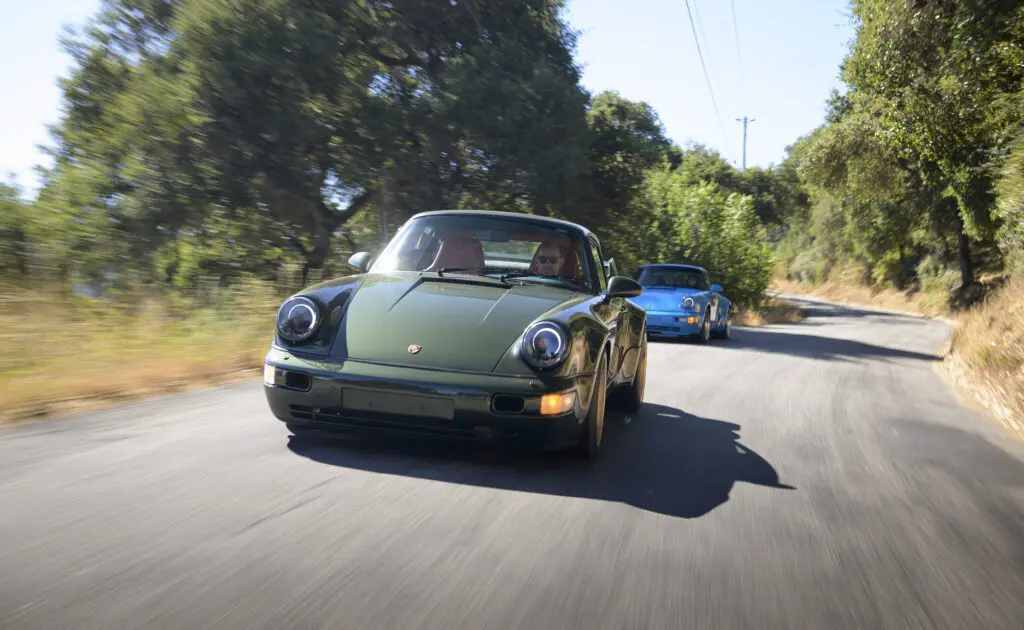
Some vintage vehicles are more naturally suited to become electric than others, often due to factors like chassis design, weight distribution, and desirability. At Everrati, we specialize in a range of iconic models that perfectly embody the marriage of legacy and electrification.
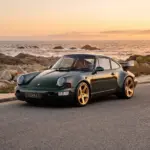
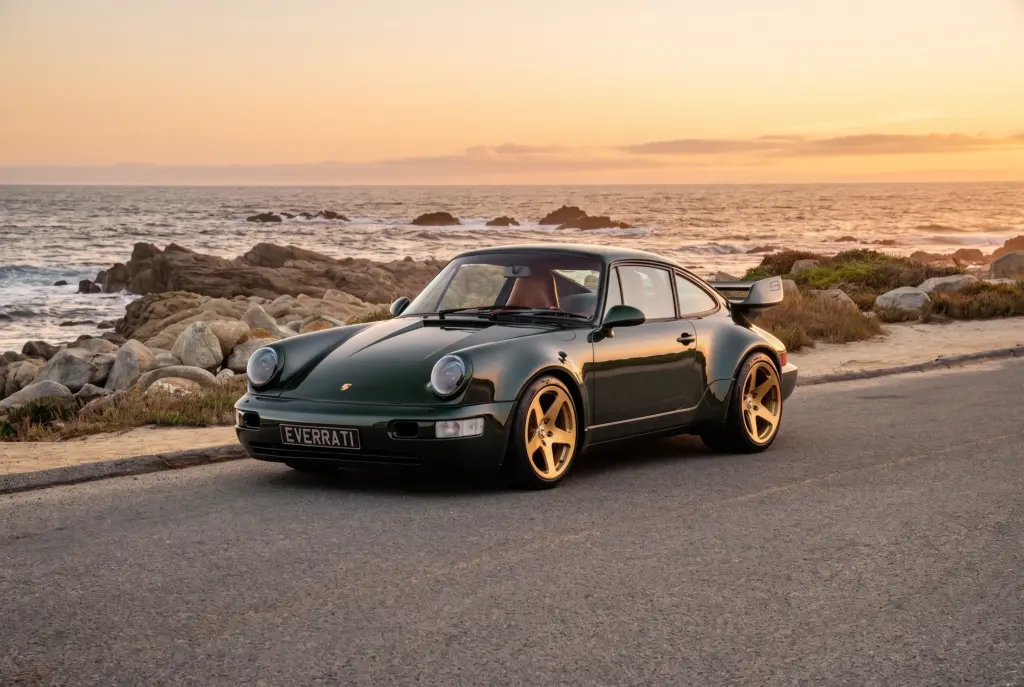
- Electric Porsche 911: A legend redefined. Our electric 911s retain the car’s signature silhouette and deliver modern performance while honoring its original engineering brilliance.
- Electric Land Rover Series IIA: For the off-road enthusiast with a conscience, our electrified Series IIA combines rugged capability with zero-emissions power.
- Electric Ford GT40 for sale: A race-bred icon transformed for the electric age, keeping the spirit of Le Mans alive while elevating performance and sustainability.
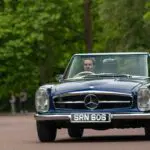
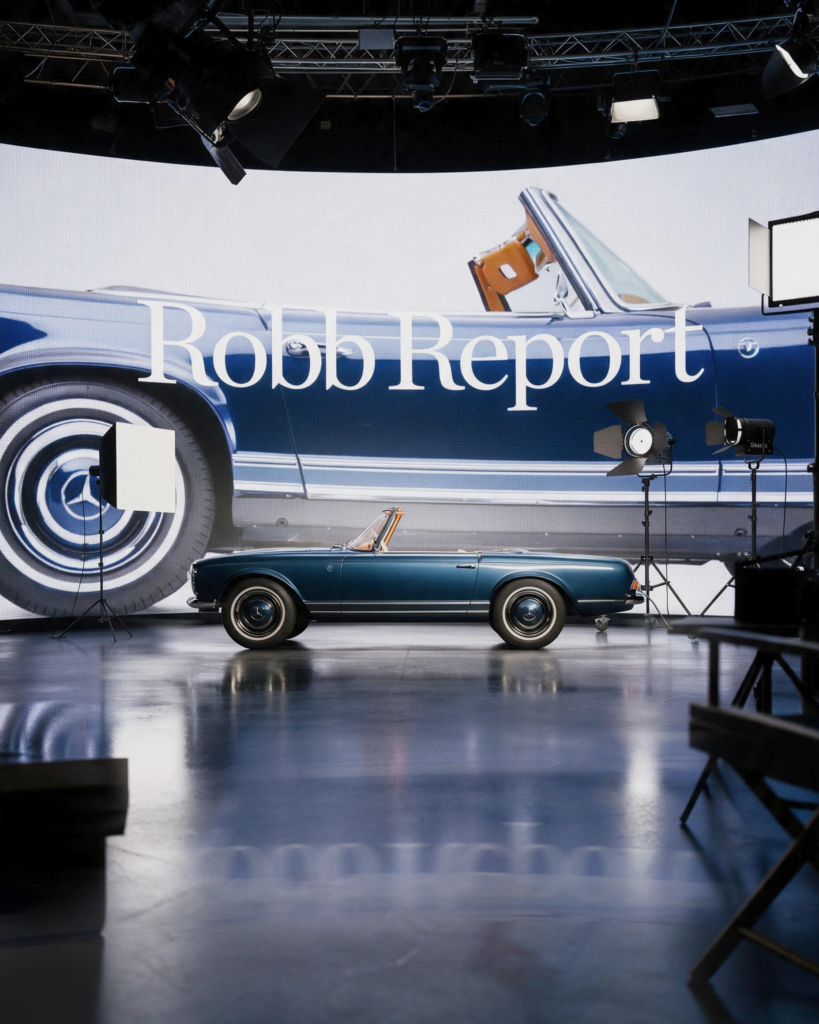
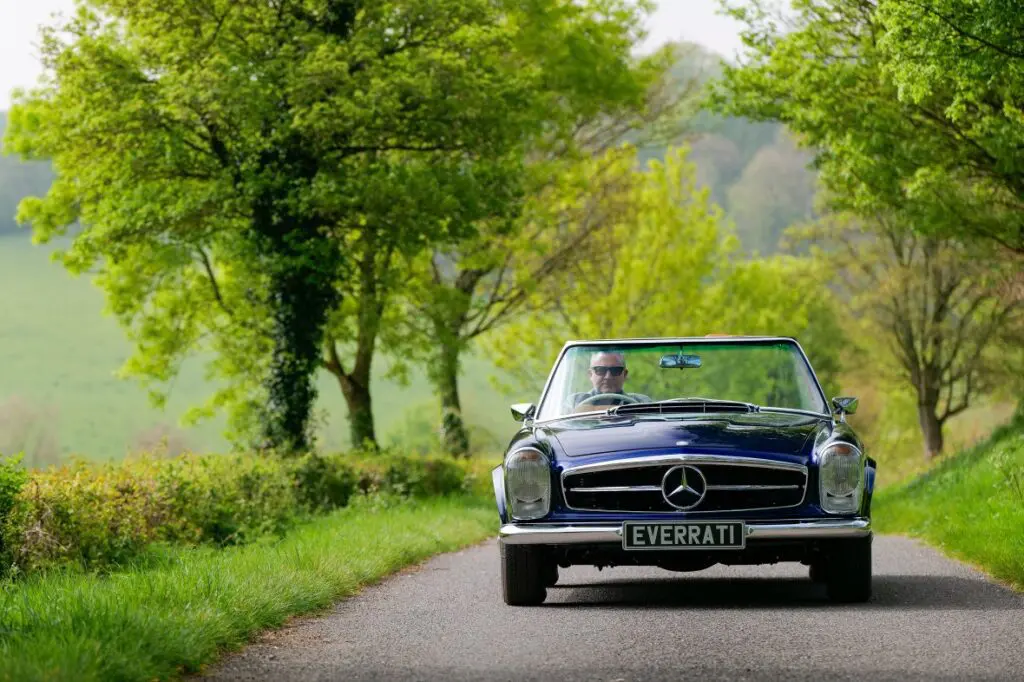
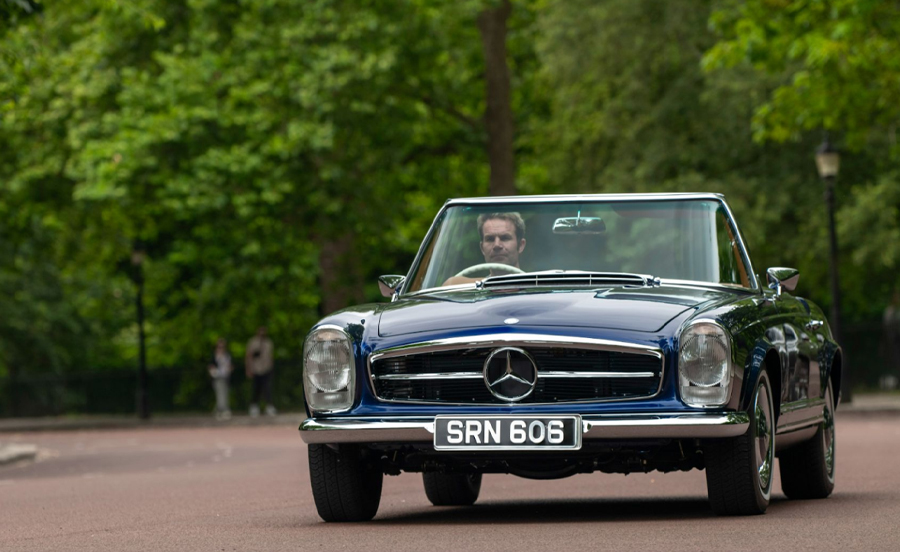
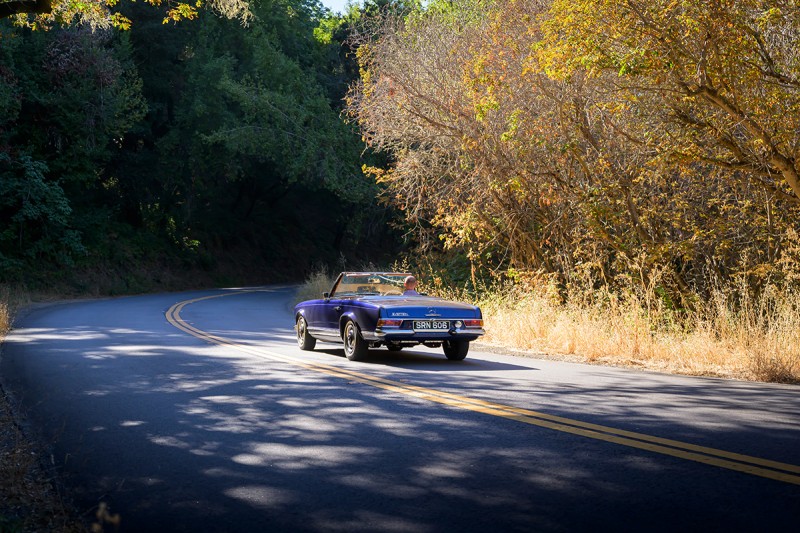
- Electric Mercedes-Benz SL Pagoda: A symbol of timeless elegance, made even more desirable with silent propulsion and sustainable luxury.
These models and many others are not just compatible with electric conversions; they’re enhanced by them. With Everrati, the vehicle’s heritage is honored, upgraded, and future-proofed.
Explore Our Inventory of Electric Classic Cars
How Long Does It Take to Convert a Classic Car to Electric?
The timeline depends on several factors, including the vehicle type, desired performance characteristics, and customization level. On average, a full Everrati restoration and electrification process takes between six and 12 months. This timeframe includes:
- Detailed inspection and evaluation of the donor vehicle
- Engineering design and CAD modeling
- Battery system integration
- Motor and drivetrain installation
- Interior refurbishment or customization
- Quality testing, tuning, and road validation
We treat each project with the same care and precision as a bespoke timepiece or custom suit. Our clients are kept involved throughout the process, with regular updates at milestones.
What Are Some Real-World Examples of Successful Electric Classic Car Conversions?
Everrati’s portfolio is full of success stories that prove the viability and desirability of electrifying classic cars. From the busy city streets of London to the coasts of California, Everrati vehicles are turning heads and changing minds.
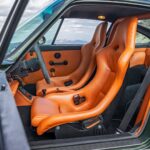
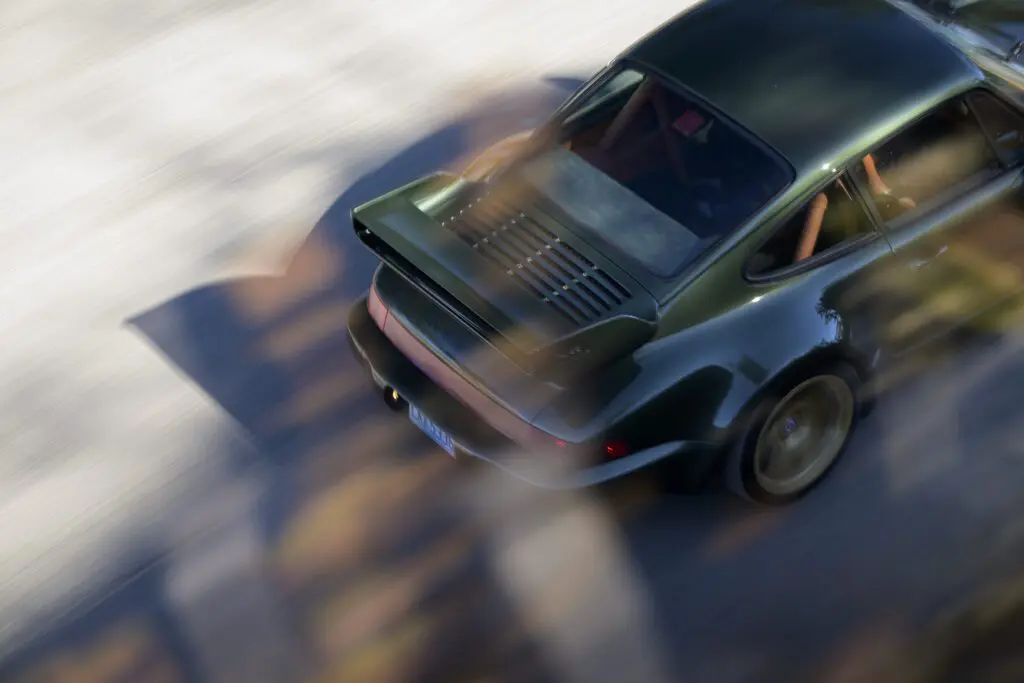
One standout example is our electric Porsche 911 Signature commissioned in the UK called The Viper Commission, named after the Viper Green color chosen by the owner. Its meticulously revitalized exterior and interior retain the car’s original look with enhancements in LED lighting, Everrati badging, and impeccably integrated EV controls in the console.
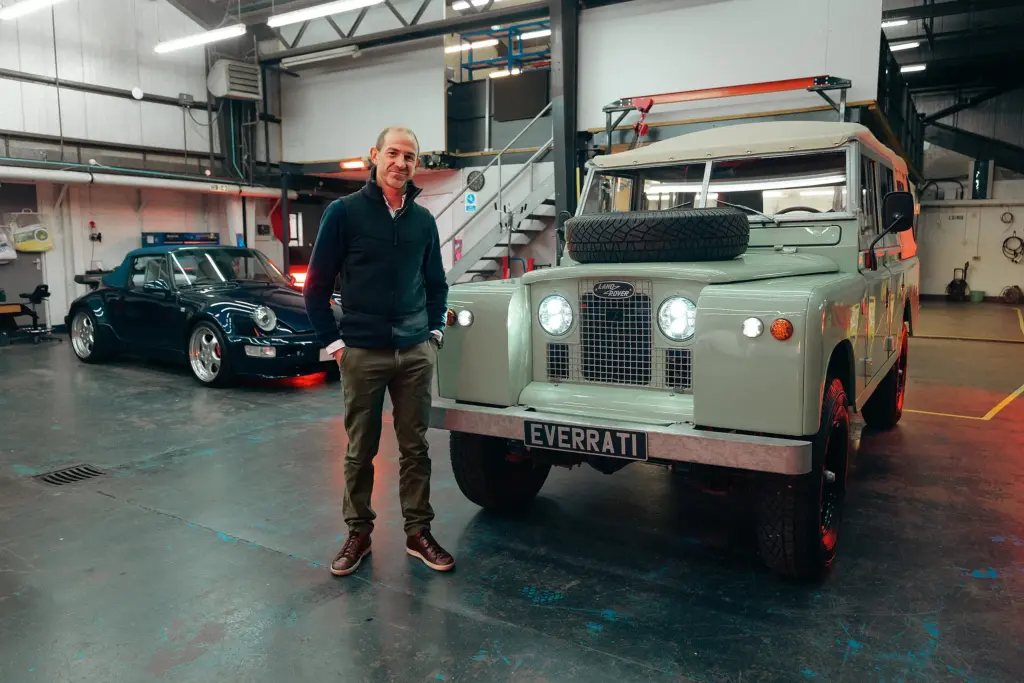
Our electric Land Rover Series IIA, meanwhile, has found fans among sustainability-conscious adventurers like the CEO of a FinTech company in the EU. The commissioned Land Rover, nicknamed Grand Loup, was painstakingly restored and converted to electric power, then became the first vehicle of its kind to meet the Netherlands’ incredibly strict registration requirements. Now, it spends its life in terrain surrounding the Swiss Alps.
Each success story reflects Everrati’s mission: to transform icons of the past into icons of the future.
Are Electric Conversions Worth It for Vintage Vehicles?
For those who value both heritage and progress, the answer is clear. Electric conversions for classic cars are viable and visionary. They offer a unique way to preserve the legacy of a beloved machine while embracing the future of mobility.
At Everrati, we excel in achieving the perfect balance between heritage and innovation. Each vehicle we redefine preserves its original soul, seamlessly paired with a cutting-edge electric powertrain. The benefits are clear, from reduced environmental impact to a smoother, more responsive driving experience. Combined with our bespoke craftsmanship, every Everrati remains a true reflection of its owner’s unique taste.
If you’re seeking reasons to buy an electric car that align with both your passion for vintage design and your commitment to sustainability, an Everrati conversion is the ultimate answer.