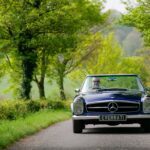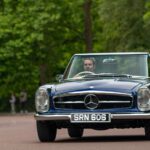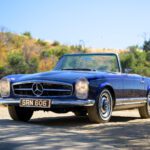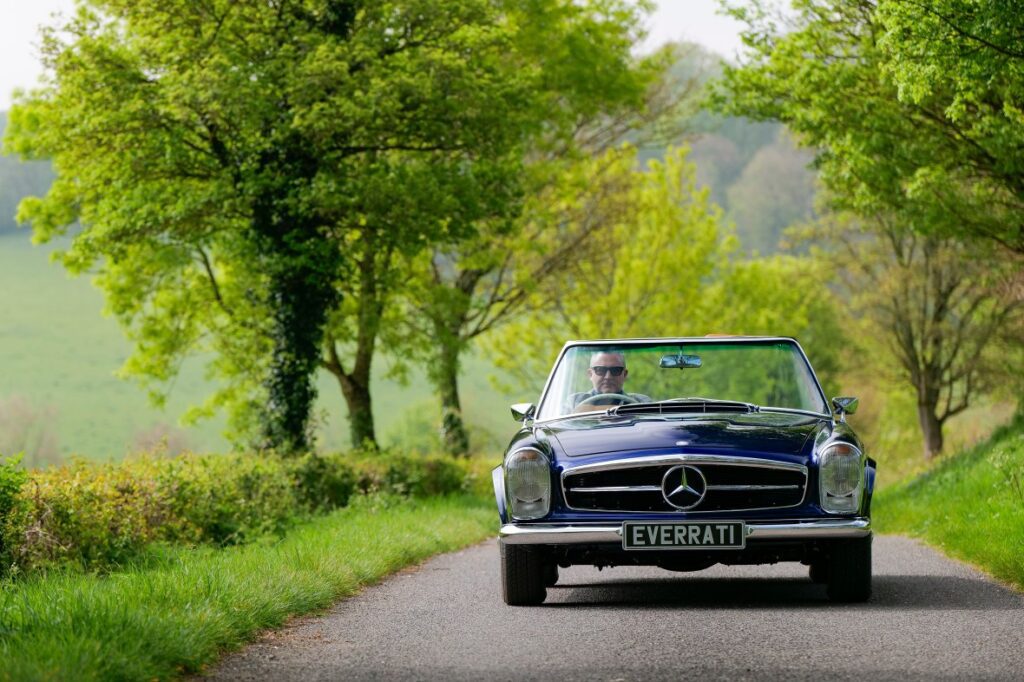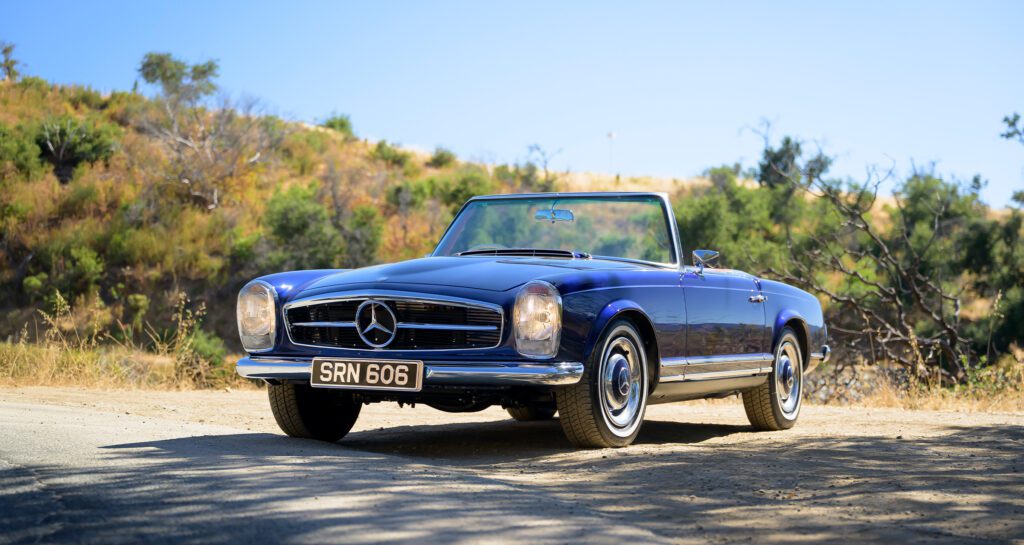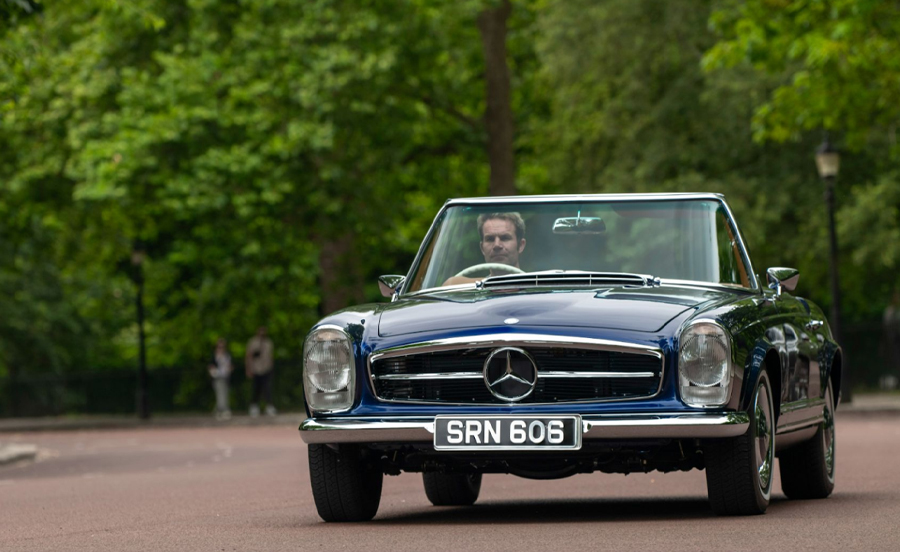
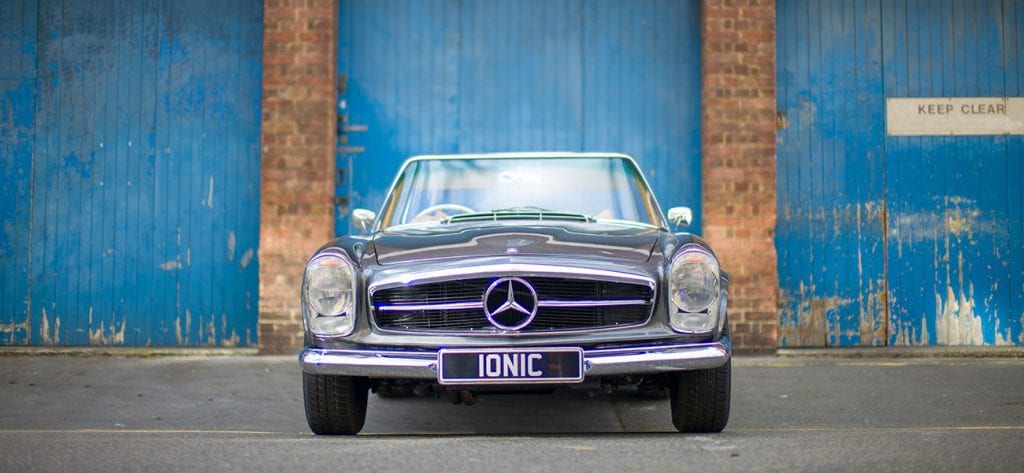
An electric Mercedes-Benz W113 Pagoda keeps one of the most admired SL designs on the road while removing the reliability and running issues that come with a 1960s powertrain. This guide explains what an electric Pagoda conversion involves, how the car performs, how it compares with owning or restoring an original, and what to expect when you commission one from Everrati.
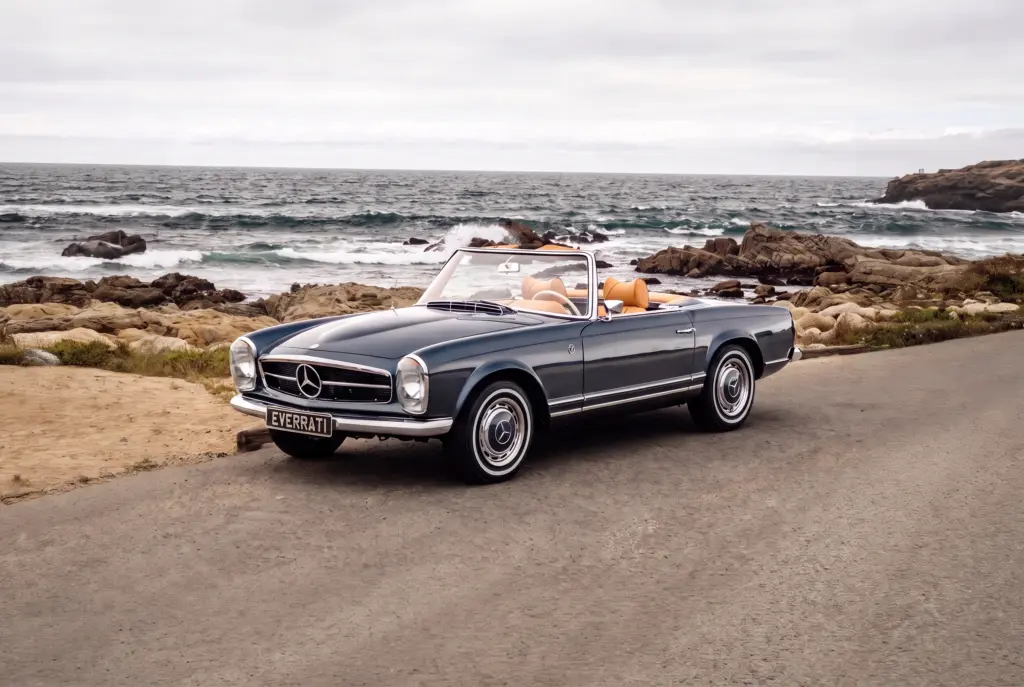
Why the Mercedes-Benz W113 Pagoda Still Works Today
Mercedes-Benz built the W113 SL from 1963 to 1971 in three versions: the 230SL, 250SL and 280SL. Its clean, understated design, with the concave hardtop that gave the car its “Pagoda” nickname, has aged better than almost anything else from the period.
Mercedes engineered the W113 as a refined grand tourer rather than an outright sports car. Its appeal comes from balanced handling, a composed ride and the ease with which it covers long distances. Those priorities are the reason the Pagoda suits electric conversion so well. Cars that depend on engine noise and mechanical drama lose part of their character when electrified. The Pagoda does not. An electric motor delivers smooth, quiet, immediate power, which matches what the car was designed to do.
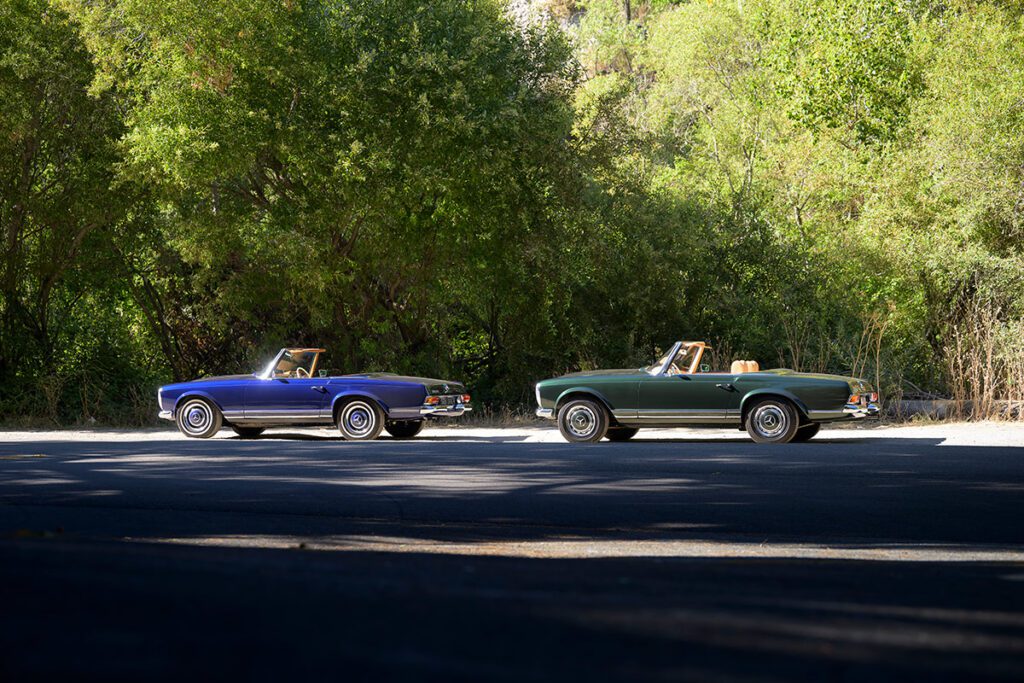
Electric Pagoda vs. Original 280SL: Maintenance, Reliability, and Emissions Zones
Owning an original Pagoda today comes with ongoing work:
- Period-correct parts take time to find and can be expensive.
- The cooling system on many examples struggles in warm weather and slow traffic.
- The Bosch mechanical fuel injection needs specialist setup and regular attention.
- Routine servicing, from oil changes to ignition adjustments, takes time away from driving.
An electric powertrain removes most of that. There are no oil changes, no fuel system, no ignition and no exhaust to maintain, and far fewer moving parts overall. The result is a Pagoda you can take out whenever you like, rather than one that needs preparation before every drive.
Access to city centers is also changing. Low and zero emission zones are spreading across Europe, and the exemptions for historic vehicles differ from city to city and can change over time. An electric Pagoda produces no tailpipe emissions, so those rules no longer decide where you can drive it.ou can drive it.lly, increasingly penalize classic vehicles. An electric Pagoda drives anywhere without restriction or penalty. You’re not paying congestion charges or facing driving bans that would apply to an original.
How Does an Electric Pagoda Perform? Horsepower, Range, and Handling
The original 280SL produced around 170 to 180 horsepower, depending on the market and how it was rated. Everrati’s electric Pagoda delivers:
- More than 200 horsepower, with full torque available from a standstill.
- More than 200 miles of range, enough for weekend drives, coastal routes, and day trips.
- Smooth, single-speed power delivery, with no gear changes or waiting for revs to build.
- Improved handling, from a lower center of gravity and optimized weight distribution.
The Pagoda was never built for long motorway runs at high speed. It is at its best on weekend drives, coastal roads and winding routes, which is how most owners use it. Electric power suits that use: the throttle responds instantly, the car stays quiet and composed, and acceleration is stronger than the original could offer.excels at weekend drives through interesting terrain, coastal trips, and spirited runs through favorite roads. You control the power smoothly with instant response to throttle input. Electric propulsion delivers that experience better than the original ever could while giving you capability the designers would have envied.
What Does an Electric Pagoda Conversion Involve?
A proper electric conversion is more than a motor swap. It takes engineering that respects the W113 chassis, manages battery and motor temperatures, and keeps the car’s original driving character.
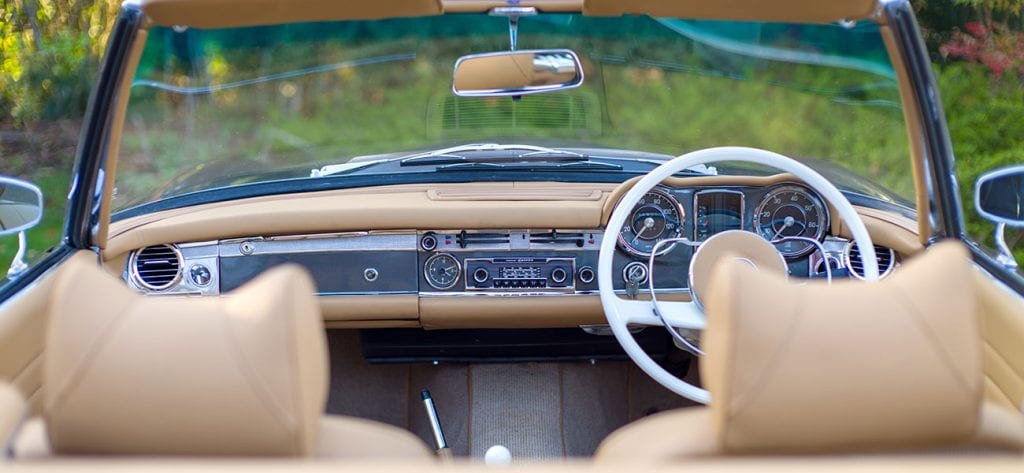
Every Everrati Pagoda starts with a concours-level restoration. Each component is stripped, assessed and rebuilt, often to a standard above the original factory specification. The bodywork is restored by hand, and the interior is either returned to original condition or trimmed to your preferences. The electric powertrain is integrated only once the restoration is complete, so the result is a fully restored Pagoda, not just an electrified one. You can see each stage in more detail on our process page.
You have input throughout the build, including performance tuning, battery capacity and interior appointments. Clients who want to go further can explore a bespoke build. The conversion is designed to be reversible, so a future owner could return the car to its original specification. That protects both the car’s heritage and its value.
How Much Does an Electric Pagoda Conversion Cost and How Long Does It Take?
The cost of an electric Pagoda conversion depends on the donor car’s starting condition and your chosen specification. The full process, from start to delivery, typically takes six to nine months.
An electric conversion costs more than a traditional restoration because it includes a full concours-level restoration as well as the engineering and components for a modern electric powertrain. For clients who want to spread the cost, Everrati offers financing solutions.
Pagoda Conversion vs. Traditional Restoration: Key Differences
A traditional Pagoda restoration typically costs $150,000 to $250,000. At the end of it, you still own a car with a 1960s powertrain, which means sourcing parts, keeping the cooling system healthy and maintaining the fuel injection. An electric conversion costs more upfront, but it gives you a car that needs far less mechanical attention and can be driven whenever you want.
| Factor | Traditional Restoration | Electric Conversion |
|---|---|---|
| Upfront cost | $150,000 to $250,000 | [CLIENT TO CONFIRM] |
| Ongoing maintenance | Regular servicing, fuel injection and cooling system upkeep | Minimal powertrain maintenance |
| Emissions zones | Depends on local historic vehicle exemptions | Zero tailpipe emissions |
| Best suited to | Concours events and period-correct originality | Regular driving and everyday reliability |
A traditional restoration is the right choice if you want a period-correct car for shows and concours events and are happy to manage 1960s engineering. An electric conversion is the better fit if you want to drive your Pagoda often, without planning each outing around the car’s mechanical needs.
Is an Electric Pagoda Right for You?
An electric Pagoda makes sense if you want your classic to be driven and enjoyed rather than stored. It directly addresses reliability concerns and emissions restrictions, and it suits owners who see no conflict between sustainable driving and automotive heritage.
It is not the right choice if you want the sound of the original engine or strict factory originality. The Pagoda’s strengths are refinement, elegance, and comfort over distance, and an electric conversion builds on those qualities rather than turning the car into something it was never meant to be.
If you are comparing conversion specialists, our guides to Electrogenic vs Everrati and Lunaz vs Everrati explain the differences, and you can read more about why clients choose Everrati.
How to Commission an Electric Pagoda From Everrati
The first step is a conversation about your vision, timeline, and budget. Our team can walk you through the build process and share examples from our client commissions. You can also start shaping your specification in the Everrati configurator, or explore our full collection of electric classics.
Ready to bring your Pagoda into a zero-emission future? Contact Everrati today.